
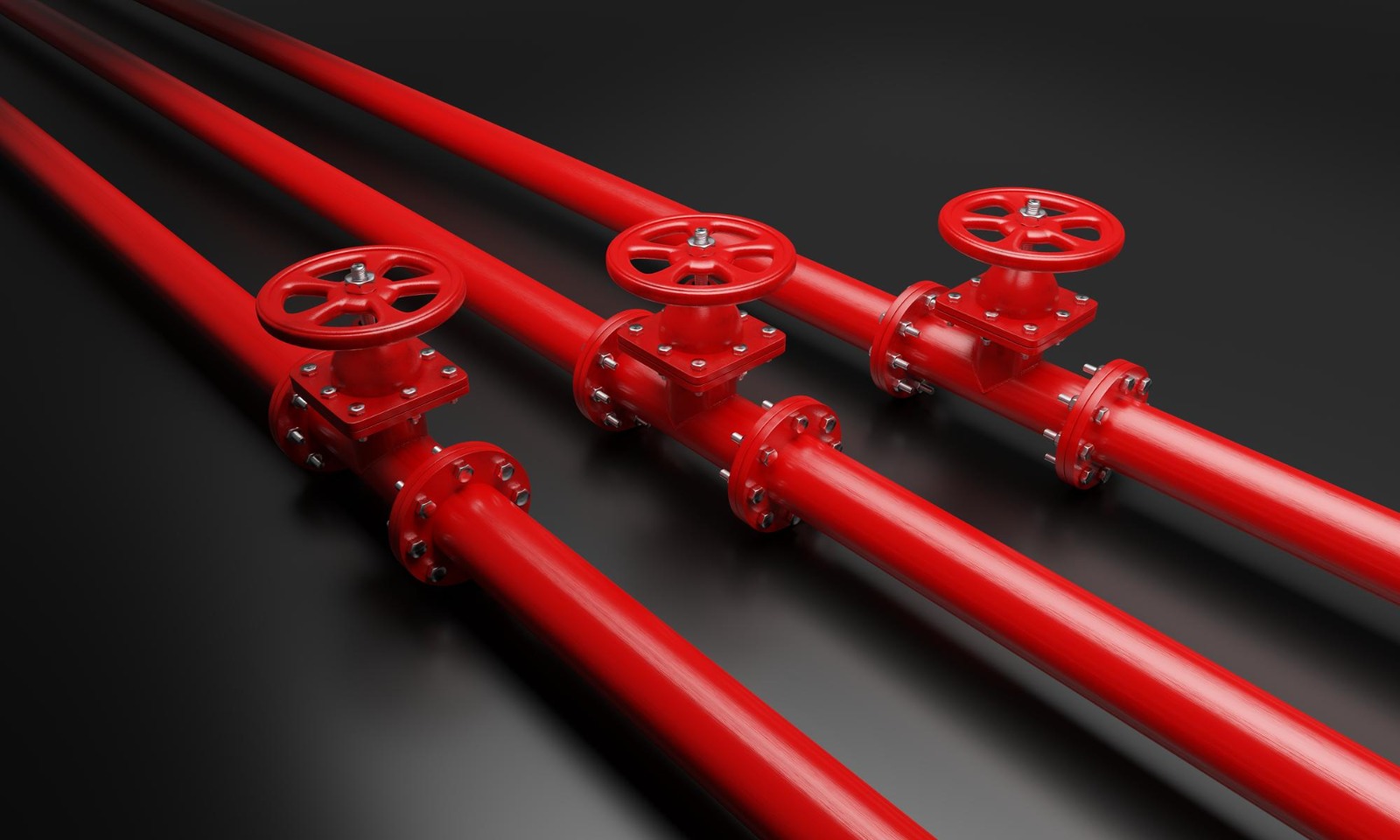
A reliable fire protection system depends on more than alarms and sprinklers. Every connection and control component must work together to help deliver water where it is needed during an emergency. Grooved fittings, threaded fittings, and firefighting valves each play an important role in building a dependable fire protection network for commercial, residential, and industrial properties.
Choosing suitable components and ensuring correct installation can help improve system reliability, simplify maintenance, and support long-term building safety.
Why Are Grooved Fittings Important in Fire Protection?
Grooved fittings are commonly used in fire protection piping because they allow pipes to be connected using grooved-end couplings. This connection method can simplify installation and make certain maintenance activities easier.
Depending on the system design, grooved fittings may be used in sprinkler networks, fire pump connections, and other firefighting pipework. Their suitability depends on the pipe material, operating pressure, product specifications, and applicable fire protection requirements.
Selecting compatible components and following the manufacturer’s installation instructions helps maintain secure pipe connections.
Where Are Threaded Fittings Used?
Threaded fittings provide another practical way to connect pipes and related components. They are often used in smaller pipework and suitable connections within fire protection installations.
Available in different sizes and configurations, threaded fittings can help connect pipes, adapters, and equipment where threaded joints are specified by the system design.
The correct thread type, material, pressure rating, and sealing method are important considerations. Proper installation helps reduce the risk of leakage and supports the dependable operation of the overall system.
Why Are Firefighting Valves Essential for Efficient Fire Protection?
Firefighting valves control, isolate, or regulate water flow within fire protection systems. The appropriate valve type depends on its intended function and location in the network.
Common examples include gate valves, butterfly valves, check valves, and other specialised valves used in firefighting applications. These components help operators control water distribution, isolate sections for maintenance, and support the intended operation of fire protection equipment.
Regular inspection and functional testing, in line with applicable requirements, help identify problems such as leakage, corrosion, or restricted movement before they affect system performance.
How to Select the Best Components for a Reliable Fire Protection System?
Grooved fittings, threaded fittings, and firefighting valves must be selected according to the system’s design and operating conditions. Before purchasing components, consider the following:
- Product compatibility: Ensure fittings, couplings, pipes, and valves are suitable for the intended application.
- Pressure requirements: Confirm that components meet the system’s specified operating pressure.
- Material quality: Choose products appropriate for the installation environment and service conditions.
- Installation requirements: Follow approved designs and manufacturer instructions.
- Inspection and maintenance: Check components periodically to identify wear, corrosion, and other potential issues.
Using suitable components from reliable suppliers can help support a more consistent approach to fire protection system installation and maintenance.
Fire Protection Solutions by Gulf Fire Vision
Gulf Fire Vision provides fire safety solutions for commercial, residential, and industrial projects across the UAE. Selecting appropriate fire protection components is an important step towards building systems that meet project requirements and support dependable operation.
Whether you are sourcing grooved fittings, threaded fittings, or firefighting valves, consider product specifications, compatibility, and applicable approval requirements before making a decision.
Contact Gulf Fire Vision to discuss your fire protection requirements and explore suitable solutions for your project.
