
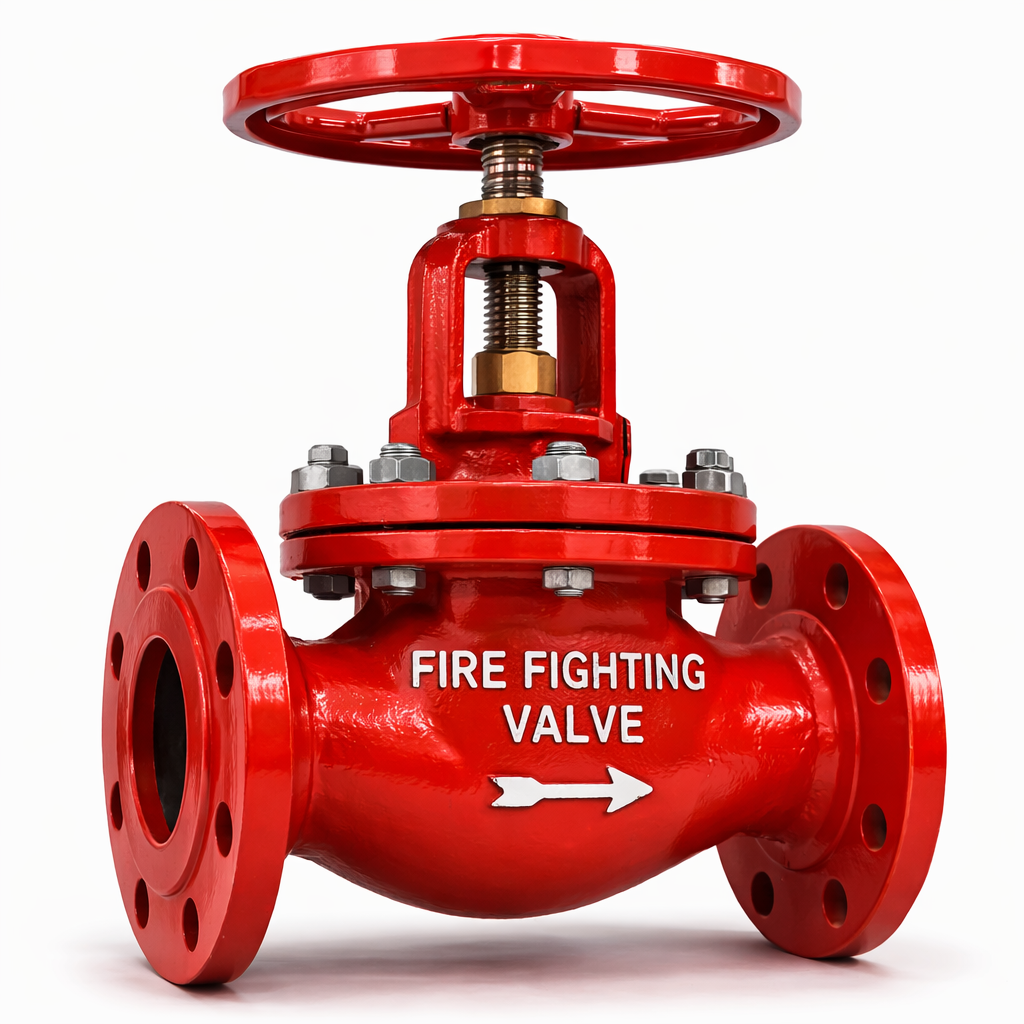
In rapidly growing urban environments, firefighting valves are vital components in protecting high-rise buildings from fire emergencies. These valves regulate water flow, maintain pressure balance, and ensure fire suppression systems function efficiently when needed. Choosing products from a reliable fire safety equipment supplier Dubai is crucial for engineers who prioritize safety, durability, and compliance in complex building projects.
High-rise structures require specially engineered firefighting valves capable of handling high pressure variations and multi-level water distribution systems. Partnering with a certified fire safety equipment supplier Dubai ensures access to tested, compliant equipment designed to meet the demanding safety standards of vertical infrastructure.
Fire Protection Challenges in High-Rise Buildings
Designing fire systems for tall buildings involves unique technical challenges. Water must travel vertically through multiple floors, often requiring zoned pressure systems to avoid underperformance at upper levels and over-pressurization at lower levels.
Key considerations include:
- Managing pressure differences across floors
- Preventing pipe stress or bursts
- Ensuring consistent water delivery during emergencies
- Meeting strict local and international fire codes
To address these issues, engineers rely on precisely specified valves that maintain system stability and reliability.
Types of Firefighting Valves in High-Rise Systems
1. Gate Valves
Primarily used for isolation, gate valves allow full water flow when open and completely shut off supply when closed. They are typically installed in main risers and distribution lines.
2. Butterfly Valves
Lightweight and space-efficient, butterfly valves are commonly used in sprinkler systems. Their compact design makes them ideal for confined mechanical rooms in high-rise buildings.
3. Check Valves
Check valves prevent reverse water flow within the system. By ensuring water travels in only one direction, they protect pumps from damage, prevent backflow contamination, and maintain overall system integrity—especially important in high-rise structures with fluctuating pressure levels.
4. Pressure Reducing Valves (PRVs)
PRVs are essential in tall buildings where gravity increases pressure on lower floors. These valves regulate excess pressure, safeguarding pipelines, hydrants, and sprinklers from damage.
5. Alarm Valves
Installed in wet sprinkler systems, alarm valves activate when water flows into the system, triggering alerts during fire incidents and enabling rapid response.
Critical Engineering Factors
When selecting firefighting valves for high-rise applications, engineers should evaluate:
Pressure Capacity
Valves must withstand high static and dynamic pressures without leakage or structural failure.
Material Strength
Corrosion-resistant materials such as coated ductile iron improve durability, particularly in humid or coastal climates.
Regulatory Compliance
All components should meet approved fire safety standards and certification requirements to ensure project approval.
Maintenance Accessibility
Proper valve placement allows easy inspection, testing, and servicing without disrupting building operations.
System Integration
Valves must work seamlessly with fire pumps, sprinkler systems, hydrants, and monitoring systems.
Importance of Installation and Maintenance
Correct installation is just as critical as choosing high-quality components. Even the best firefighting valves can fail if improperly aligned or inadequately supported. Engineers and contractors should ensure:
- Accurate pipe alignment
- Secure mounting and structural support
- Hydrostatic pressure testing before commissioning
- Routine inspection and preventive maintenance schedules
Regular servicing helps identify wear, corrosion, or mechanical issues before they compromise system performance.
Partnering with the Right Supplier
Reliable fire protection systems depend not only on engineering design but also on trusted suppliers. Gulf Fire Vision provides certified firefighting valves and comprehensive fire protection solutions tailored for high-rise projects. As a dependable fire safety equipment supplier Dubai, Gulf Fire Vision supports engineers and contractors with quality products, technical expertise, and compliance-focused services.
Conclusion
Fire safety in high-rise buildings demands precision engineering, durable components, and proper system execution. From pressure control to backflow prevention, firefighting valves play a central role in ensuring effective emergency response. By focusing on quality selection, professional installation, and ongoing maintenance, engineers can design fire protection systems that safeguard both property and lives in modern vertical developments.