
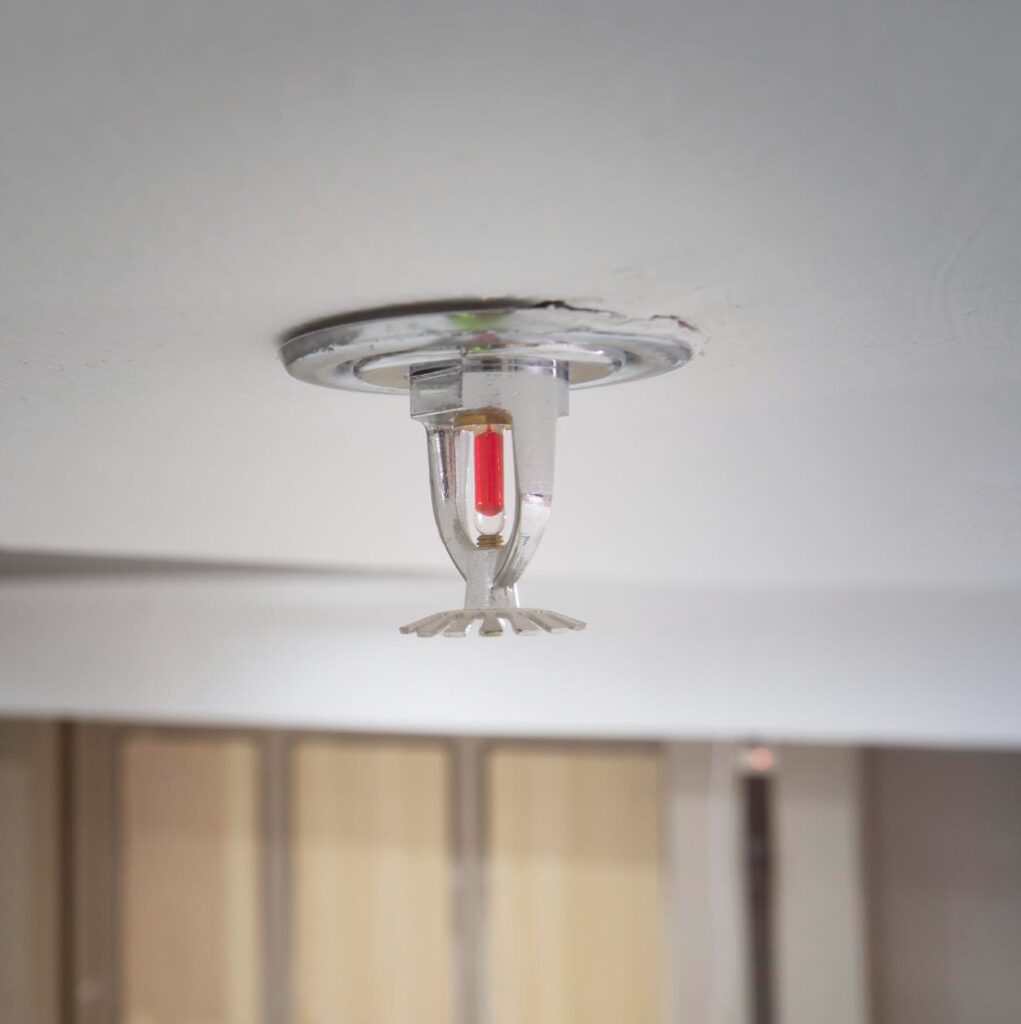
In any fire protection system, even the smallest component plays a critical role in ensuring safety and operational reliability. Among these components, sprinkler clamps are often underestimated, yet they are essential for securing pipelines and maintaining the stability of the entire sprinkler network. When inferior or substandard clamps are installed, the fire suppression system becomes vulnerable to structural weaknesses and operational failures. For businesses focusing on professional fire safety maintenance UAE, understanding the impact of component quality is crucial.
The Importance of Sprinkler Clamps in Fire Systems
Sprinkler clamps are responsible for supporting and stabilizing fire sprinkler pipes throughout a building. During normal conditions, they hold the piping securely in place. In emergency situations, when water flows rapidly through the system, clamps must withstand pressure surges, vibration, and sudden mechanical stress.
High-quality clamps are engineered to absorb these forces without shifting or loosening. However, poorly manufactured clamps can deform, crack, or detach, putting the entire system at risk.
1. Pipe Misalignment and Structural Sagging
One of the most common issues caused by low-grade sprinkler clamps is pipe misalignment. If the clamps lack proper load-bearing strength, pipes may begin to sag over time. This is especially common in large commercial, warehouse, or industrial buildings where long pipe runs require consistent support.
Misaligned pipes can disrupt water distribution patterns and reduce the efficiency of sprinkler discharge during a fire emergency. In regions where strict regulations govern fire safety maintenance UAE, such structural deficiencies can also lead to inspection failures and compliance issues.
2. Increased Risk of Leakage
Weak or poorly designed clamps may loosen due to system vibration or environmental changes. When pipes shift even slightly, stress is transferred to pipe joints and fittings, increasing the likelihood of leaks.
Pressure loss caused by leakage can significantly reduce sprinkler performance. In a fire emergency, even a minor drop in water pressure can delay activation or limit the coverage area, leading to greater property damage.
3. Corrosion and Reduced Load Capacity
In humid or coastal regions, corrosion becomes a serious threat to fire protection components. Low-quality sprinkler clamps frequently lack adequate galvanization or durable protective coatings. Continuous exposure to moisture and salty air gradually causes rust buildup, which compromises the clamp’s strength and reduces its load-bearing capacity over time.
As corrosion progresses, clamps may weaken to the point of cracking or breaking entirely. This can result in pipe displacement or partial system collapse, creating significant safety hazards.
4. Excessive Vibration and Mechanical Stress
Quality sprinkler clamps often include features designed to reduce vibration, such as rubber linings or precision-fit brackets. Substandard clamps typically lack these protective elements, allowing pipes to move excessively.
Constant vibration accelerates wear on the entire piping system, including joints, fittings, and valves. Over time, this leads to higher maintenance costs and an increased risk of unexpected system failure.
5. Failure Under High Pressure or Emergency Conditions
During a fire, sprinkler systems experience sudden and intense water flow. This creates high internal pressure and dynamic forces within the pipes. Poor-quality clamps may not withstand this sudden stress, causing them to bend, loosen, or detach.
If multiple clamps fail simultaneously, sections of the sprinkler line may shift or disconnect entirely. Such failures can severely compromise fire suppression efforts at the most critical moment.
6. Non-Compliance with Safety Standards
Fire protection systems must comply with local and international safety standards. Using uncertified or substandard sprinkler clamps can result in failed inspections and legal complications. Routine audits under fire safety maintenance UAE regulations often identify weak or corroded supports as safety violations.
Beyond regulatory penalties, non-compliance can also affect insurance claims if system failure occurs during an emergency.
Preventing Failures Caused by Poor-Quality Clamps
To ensure long-term system reliability:
- Use high-grade, corrosion-resistant sprinkler clamps
- Verify compliance with recognized fire safety standards
- Schedule routine inspections and load testing
- Replace worn or rusted clamps immediately
- Partner with experienced fire safety professionals
Investing in durable components reduces long-term repair expenses and enhances overall system reliability.
Conclusion
Although sprinkler clamps may seem like minor hardware components, they play a vital role in maintaining the integrity and performance of fire suppression systems. Poor-quality clamps can lead to pipe sagging, leakage, corrosion damage, vibration problems, and even complete system failure during emergencies. For businesses committed to reliable fire safety maintenance UAE, choosing certified sprinkler clamps and conducting regular inspections is essential.Professional providers like Gulf Fire Vision emphasize the use of high-quality materials and strict maintenance standards to ensure every component functions flawlessly. With expert guidance and proper system care, businesses can safeguard their properties, remain compliant with regulations, and maintain dependable fire protection at all times.