
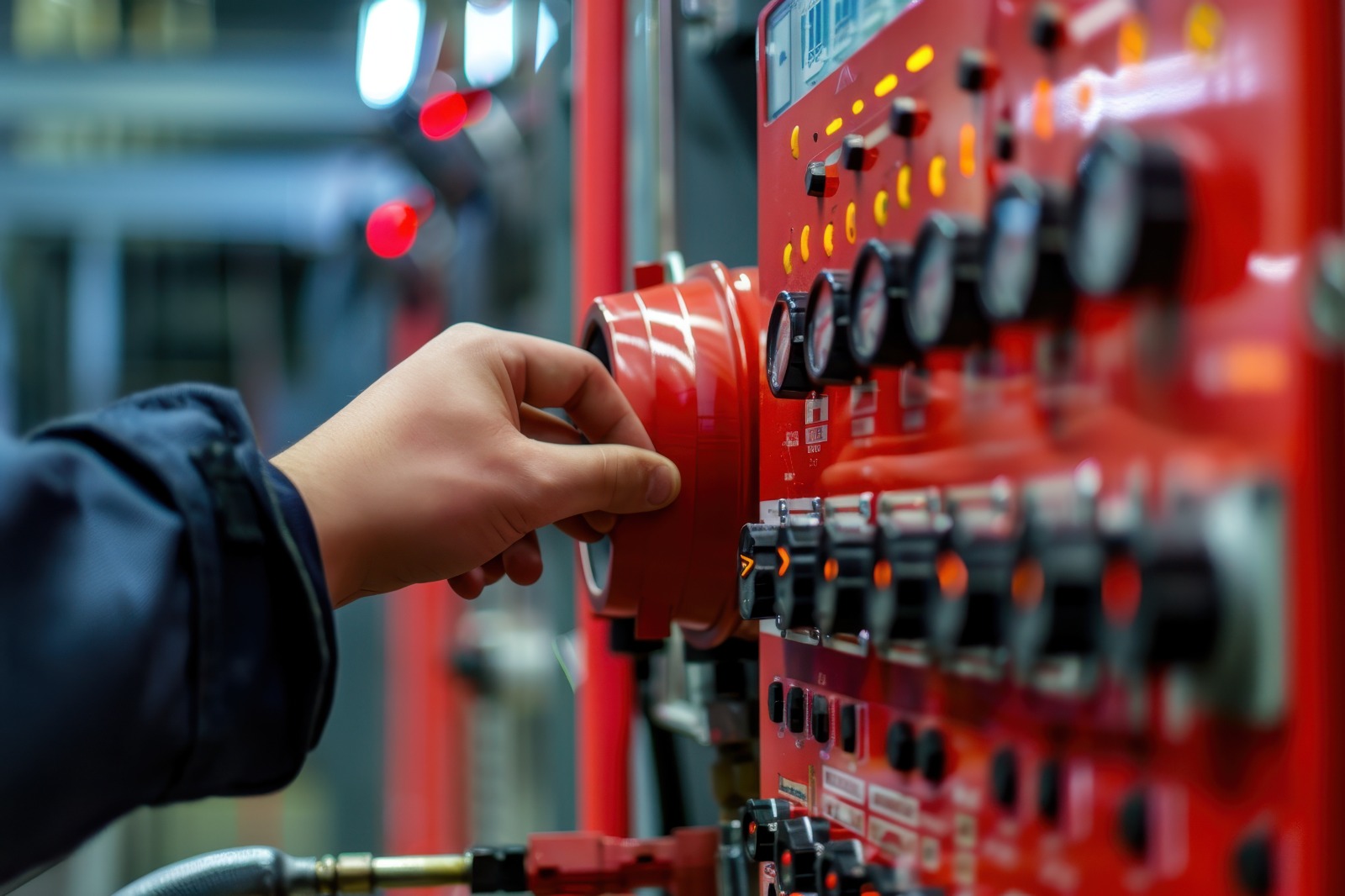
When it comes to protecting a building from fire, having equipment on the premises is not enough. What really matters is whether those systems are suitable for the property, properly installed, and ready to respond when required. This is why selecting the right fire fighting companies in UAE deserves careful attention from building owners and facility managers.
There is another important consideration: compliance. Fire protection arrangements should be planned and maintained with applicable UAE requirements in mind. Working with a provider experienced in civil defence approved fire safety UAE can help businesses understand their responsibilities and maintain appropriate protection for their premises.
What to Consider Before Hiring a Fire Safety Company
A fire safety company should do more than supply equipment. It should first understand the property.
Is it a busy office? A residential tower? A warehouse containing valuable stock? Or an industrial facility with specific fire hazards? The answer can influence the type of fire detection, suppression, and firefighting systems required.
A professional provider can assess these factors and recommend solutions based on the building rather than offering the same setup for every property.
Installation Is Only the Beginning
Imagine installing a fire alarm system and then never checking it. If a component stops working months later, the system may not perform as expected during an emergency.
That is why inspection and maintenance are such an important part of fire protection. Fire alarms, extinguishers, pumps, sprinklers, emergency lighting, and other equipment need appropriate checks and servicing to remain dependable.
Regular maintenance can also help identify small problems before they become larger safety concerns.
Look at the Complete Service
When comparing fire fighting companies in UAE, it is useful to consider the complete service rather than focusing only on the installation price.
Ask whether the company can provide:
- Fire alarm and detection systems
- Firefighting equipment
- Fire pump and sprinkler systems
- Emergency lighting solutions
- Inspection and testing
- Preventive maintenance
- Technical support
Having access to ongoing support can make fire safety management simpler, particularly for large or occupied properties.
Why Local Knowledge Matters
Fire safety requirements can vary between locations and property types. A company familiar with UAE regulations and local approval processes can help make the process more straightforward.
This is especially important for businesses that need to maintain their fire protection systems over the long term rather than treating fire safety as a one-time project.
Gulf Fire Vision: Fire Protection for UAE Properties
Gulf Fire Vision supports businesses and property owners with fire protection solutions designed around their specific requirements. From equipment and system installation to inspection and maintenance, the focus is on helping properties maintain dependable fire safety measures.
Choosing a fire fighting company is ultimately about more than purchasing equipment. It is about finding a partner that understands your building, supports your safety requirements, and remains available after the installation is complete.
With the right planning, suitable systems, and regular maintenance, UAE buildings can be better prepared to protect people, property, and operations when a fire emergency occurs.
