
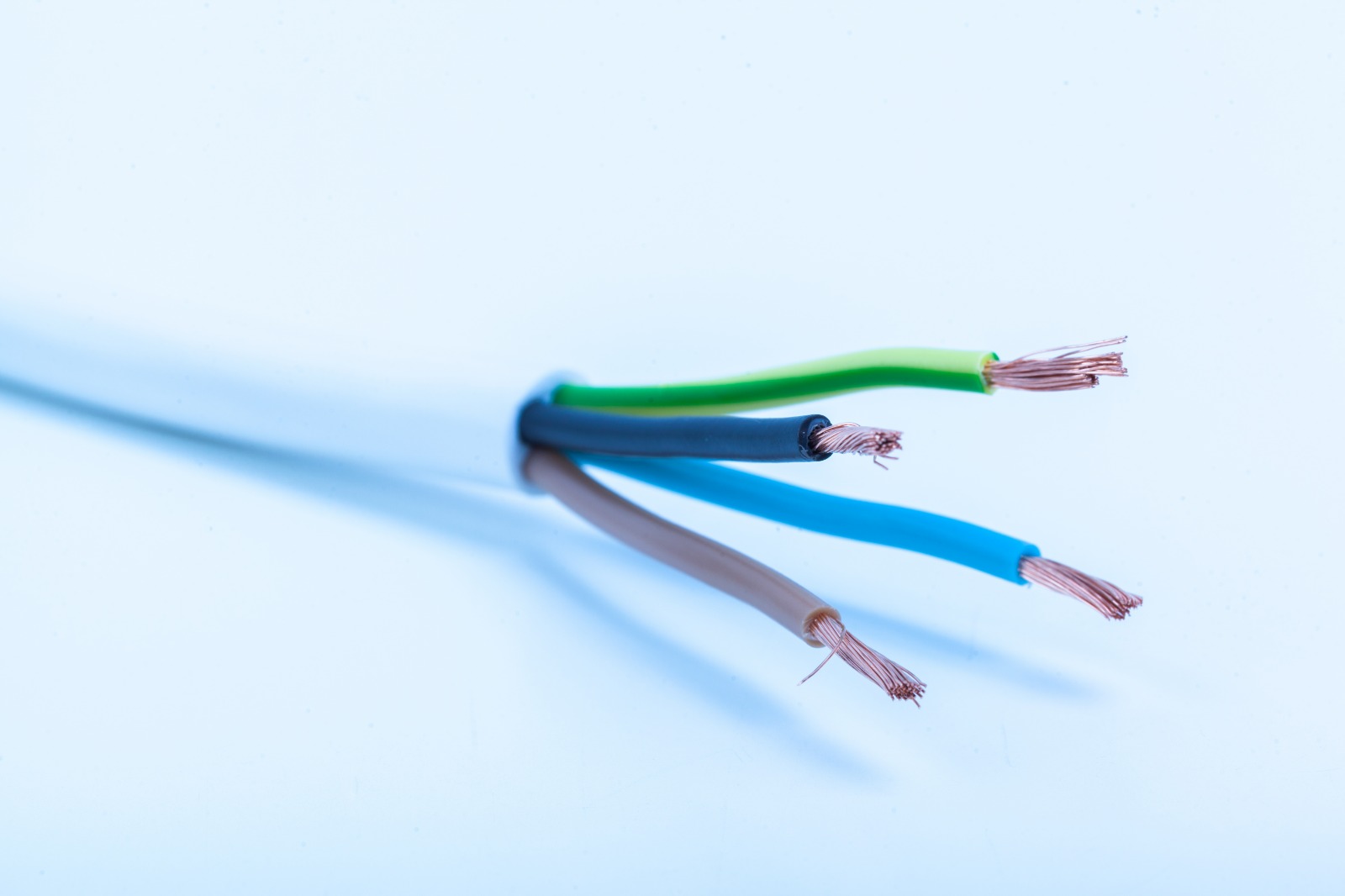
When we think about fire safety in a building, we usually picture fire extinguishers, smoke detectors, sprinklers, and alarms. But what happens to the electrical systems when a fire breaks out? This is where fire rated cables UAE play an important role. These specially designed cables help maintain the operation of essential electrical and safety systems for a specified period during a fire, giving people more time to evacuate and emergency systems more time to respond.
For building owners, contractors, and facility managers, choosing the right cables is not something to leave until the final stage of construction. Working with experienced fire protection contractors UAE can help ensure that fire-rated cabling is selected, installed, and maintained according to the requirements of the project. After all, a fire protection system is only as dependable as the components supporting it.
Why Are Fire Rated Cables So Important?
Imagine a fire starting in one section of a commercial building. Smoke spreads, temperatures rise, and electrical equipment may begin to fail. If the cables supplying emergency systems are damaged too quickly, critical equipment may stop working when it is needed most.
Fire-rated cables are designed to resist fire and maintain circuit integrity for a defined duration under specified test conditions. Depending on their construction and certification, they can continue supplying power to important systems during a fire.
This can be particularly important for:
- Fire alarm systems
- Emergency lighting
- Voice evacuation systems
- Fire pumps and related controls
- Smoke extraction systems
- Emergency communication systems
- Safety and security systems
- Other critical emergency equipment
The goal is simple: keep essential safety systems working for as long as required during an emergency.
What Makes a Cable “Fire Rated”?
Not every electrical cable is designed to perform in a fire. Standard cables may lose their insulation or electrical performance when exposed to extreme temperatures.
Fire-rated cables are manufactured with materials and construction methods intended to provide greater resistance to fire and heat. Some types are designed to maintain electrical continuity during fire exposure, while others are also designed to reduce flame spread, smoke, and corrosive gases.
The exact performance depends on the cable type, construction, installation method, and applicable testing and certification standards.
That is why simply choosing a cable because it says “fire resistant” on the product description is not enough. The cable should be appropriate for the application and supported by the required technical documentation and certifications.
Where Are Fire Rated Cables Used in the UAE?
The UAE has a wide range of commercial, residential, industrial, hospitality, healthcare, and infrastructure projects. Each type of building can have different fire safety requirements.
Fire-rated cables can be used in locations where electrical continuity is important during an emergency, including:
Commercial Buildings
Shopping centres, offices, business parks, and high-rise buildings often depend on multiple interconnected fire and emergency systems. Fire-rated cabling can support the electrical infrastructure needed for these systems.
Hotels and Hospitality Buildings
Hotels need reliable emergency lighting, fire alarms, communication systems, and other safety equipment. During an emergency, these systems must remain available to help occupants and emergency personnel.
Industrial Facilities
Factories and industrial facilities may contain machinery, combustible materials, chemicals, and high-value equipment. A properly planned fire protection system can help reduce risks, while suitable fire-rated cabling can support critical safety equipment.
Hospitals and Healthcare Facilities
Hospitals and healthcare facilities require dependable emergency systems because many patients may not be able to evacuate independently. Reliable fire alarms, emergency lighting, and other safety systems can support a safer response during an emergency.
Residential and High-Rise Projects
High-rise buildings require carefully coordinated fire protection and emergency systems. Reliable cabling can help support alarms, emergency lighting, communication systems, and other life-safety applications.
Fire Rated Cables vs. Regular Cables
So, what is the actual difference?
A regular electrical cable is generally designed to carry electrical power or signals under normal operating conditions. It is not necessarily designed to continue functioning when directly exposed to fire.
A fire-rated cable, on the other hand, is engineered and tested for specific fire-performance requirements.
The difference becomes critical during an emergency.
A fire may damage ordinary cables quickly, potentially interrupting power or communication to essential systems. A suitable fire-rated cable can help maintain the operation of designated circuits for the required period, depending on its tested performance.
This is why cable selection should be considered part of the overall fire protection strategy rather than simply an electrical installation decision.
How Do You Choose the Right Fire Rated Cable?
Choosing a suitable cable involves more than comparing prices.
Before purchasing, consider:
1. Application
First, identify what the cable will power or control. A fire alarm circuit may have different requirements from a fire pump or emergency lighting circuit.
2. Required Fire Performance
Different projects may require different levels of fire resistance and circuit integrity. The required performance should be determined based on the system design and applicable regulations.
3. Installation Environment
Temperature, moisture, mechanical exposure, cable routing, and installation conditions can influence cable selection.
4. Certification and Testing
Always check the relevant test reports, certifications, and technical documentation. Products should meet the standards and project specifications applicable to their intended use.
5. Compatibility
The cable should work properly with the connected equipment and the overall fire safety system.
6. Installation Method
Even a high-quality cable can fail to deliver the expected performance if it is installed incorrectly. Cable supports, fixings, joints, terminations, and routing all matter.
Installation Is Just as Important as Cable Quality
Here’s something many people overlook: a good fire-rated cable cannot compensate for poor installation.
Fire-rated cable systems often require suitable supports, glands, junction boxes, terminations, and fixing methods. These components need to be compatible with the required fire performance of the complete installation.
For example, using an appropriately rated cable but installing it with unsuitable supports could compromise the intended performance of the circuit.
This is why contractors and installation teams should follow the manufacturer’s instructions and the project’s approved design requirements carefully.
The Role of Fire Protection Contractors in UAE
Fire protection is not a one-product solution. It involves multiple systems working together.
Experienced fire protection contractors UAE can help coordinate different aspects of a project’s fire safety requirements, from system design and equipment selection to installation, testing, and maintenance.
For cable-related applications, professional guidance can help answer important questions such as:
- Which type of cable is suitable for the application?
- What fire-performance rating is required?
- What certifications should be checked?
- How should the cable be installed?
- Which supporting components are required?
- How should the completed system be tested and maintained?
Getting these decisions right at the beginning can help prevent costly changes later.
Why Maintenance Should Not Be Ignored
Installing fire-rated cables is only one part of maintaining a reliable fire protection system.
Over time, cables and associated components may be exposed to moisture, mechanical damage, construction work, heat, or accidental interference. Changes to a building can also affect existing cable routes and safety systems.
Regular inspection and maintenance can help identify:
- Damaged cables
- Loose or unsuitable supports
- Poor terminations
- Unauthorised modifications
- Exposed sections
- Issues caused by renovation or construction work
Any identified problem should be assessed and corrected by qualified professionals.
Gulf Fire Vision: Supporting Fire Safety Solutions in the UAE
When it comes to protecting a building, every component has a role to play. Gulf Fire Vision provides fire protection and safety solutions for projects in the UAE, helping businesses source products and solutions for their fire safety requirements.
From fire protection equipment to fire-resistant cabling solutions, Gulf Fire Vision focuses on providing products suitable for different commercial, industrial, and building applications.
The right solution ultimately depends on the project’s requirements, system design, installation conditions, and applicable standards. Professional guidance can make the selection process easier and help ensure that safety systems are planned with the bigger picture in mind.
Building Fire Safety Starts Behind the Walls
Fire safety is often visible through alarms, extinguishers, sprinklers, and emergency lights. But some of the most important components are hidden from view.
Cables are one of them.
When an emergency occurs, people should not have to wonder whether a fire alarm will activate, whether emergency lights will remain operational, or whether critical safety equipment will receive power. Properly selected and installed fire-rated cables can help these systems continue performing when they matter most.
For UAE projects, investing in suitable fire rated cables UAE is therefore not simply an electrical decision. It is an important part of creating a dependable and coordinated fire protection system.
The best approach is to plan early, choose products based on the actual application, verify the necessary certifications, and work with qualified professionals who understand the requirements of fire safety installations.
Because when a fire emergency happens, every second counts—and every connection matters.
